Source CS Style Front Bumper Grille for Honda, Lexus, and IS Models
Compare 30 listings for CS Style Front Bumper Grille options in ABS and PP materials. Buyers can evaluate customization, fitment, and packaging details for Honda, Lexus, and IS vehicles.
Key considerations
Products List


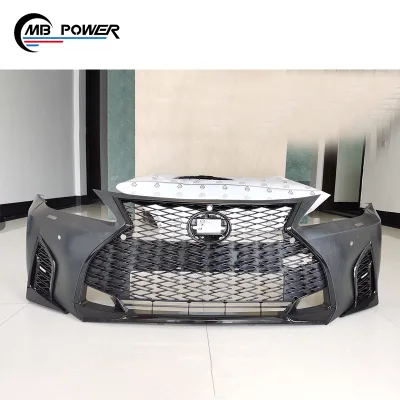
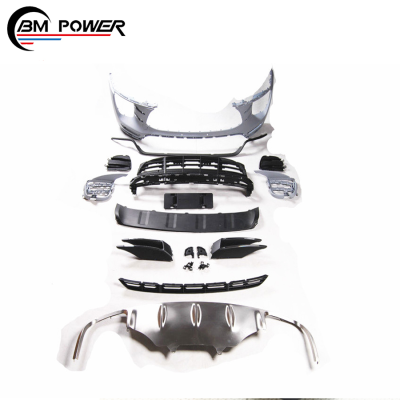

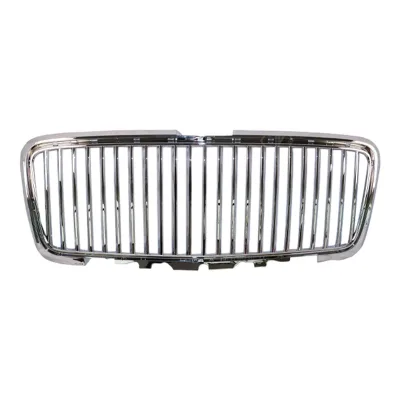


High Quality New Energy Original Car Front Bumper Grille for Model 3 1085927-00-C
$20.50 - $22.00
MOQ: 5 Pieces




Comprehensive Sourcing Guide
Strategic Sourcing Guide for CS Style Front Bumper Grilles
Navigating the global market for automotive exterior components requires a disciplined approach to verifying technical compatibility, supply chain reliability, and regulatory compliance. For buyers specifically targeting CS style front bumper grilles, the procurement process involves balancing aesthetic customization with rigorous engineering standards. The following guide outlines the critical factors for sourcing these components, grounded in observed market data and industry best practices.
Technical Specifications and Material Composition
The foundation of a successful procurement strategy lies in a precise understanding of the technical specifications required for the target vehicle. In the current market, CS style front bumper grilles are predominantly manufactured using high-impact polymers. Observed data indicates that Acrylonitrile Butadiene Styrene (ABS) is a primary material choice, offering a balance of rigidity and impact resistance suitable for front-end applications. Additionally, Polypropylene (PP) is frequently utilized, particularly for components requiring flexibility and resistance to thermal expansion.
When evaluating product listings, buyers must scrutinize the specific material grade. The market distinguishes between "Original" and "Aftermarket" grades, a classification that directly influences fitment precision and long-term durability. A critical specification to verify is the shape and pattern of the grille. The "Honeycomb" configuration is a prevalent design element for CS style grilles, providing both aerodynamic benefits and the aggressive aesthetic associated with this style.
Physical dimensions are equally vital. Sourcing data reveals that single package sizes can vary significantly, ranging from compact units to large assemblies measuring up to 190x100x70 cm. Buyers should not assume standard dimensions; instead, they must request specific package dimensions and gross weight data to calculate accurate freight costs. The fitting position is almost exclusively designated for the "Front" or "Front Bumper," ensuring that the component aligns with the vehicle's primary air intake and cooling systems.
Compliance, Certification, and Regulatory Standards
Regulatory compliance is a non-negotiable aspect of automotive part procurement, particularly for components that affect vehicle aerodynamics and safety. In the sourcing landscape, certifications serve as a proxy for manufacturing quality control. Observed listings frequently reference ISO9001 certification, which indicates that the supplier adheres to international quality management standards. This certification suggests a systematic approach to production consistency, reducing the risk of batch-to-batch variation.
For markets with strict automotive regulations, such as China, the CCC (China Compulsory Certification) mark is a critical indicator of compliance. Buyers must verify if the specific grille model carries this certification, as it ensures the product meets national safety and environmental standards. However, the presence of a certification on a listing does not guarantee that every unit in a shipment is certified; verification should be requested on a per-shipment basis.
Beyond formal certifications, buyers should evaluate the "Quality" attributes claimed by suppliers. Terms such as "100% Tested" or "High-Quality" are common, but these are observational claims rather than verified data points. To mitigate risk, procurement teams should require third-party test reports or internal quality assurance logs that detail the specific testing protocols used for impact resistance, UV stability, and colorfastness. The absence of specific test data in a product listing should trigger a request for documentation before placing an order.
Cost Drivers and Pricing Dynamics
Understanding the cost structure of CS style front bumper grilles is essential for budgeting and supplier negotiation. The observed price range in the market spans from $0.99 to $810, a variance that reflects differences in material quality, brand positioning, and order volume. The lower end of this spectrum typically corresponds to basic aftermarket components with standard finishes, while the higher end often includes premium materials, complex honeycomb patterns, or OEM-equivalent branding.
Several factors drive these price fluctuations. First, the material composition plays a significant role; ABS and high-grade PP generally command higher prices than lower-quality plastics. Second, the level of customization available influences cost. Listings indicating "Customization: Available" often carry a premium, as they require additional tooling or production setup. Third, the "Brand Name" associated with the product can impact pricing, with branded components like those associated with specific automotive performance lines often priced higher than generic alternatives.
Minimum Order Quantity (MOQ) is another critical cost driver. The observed MOQ range spans from 1 to 100 units. Buyers purchasing single items or small batches may face higher per-unit costs due to the lack of economies of scale. Conversely, larger orders can leverage bulk pricing, but they require careful inventory management to avoid overstocking. Buyers should also consider the "Selling Units" structure; some suppliers sell in single items, while others may require bulk packaging, such as 5 pieces per carton, which affects the total cost of ownership including storage and handling.
Typical Applications and Vehicle Compatibility
The application of CS style front bumper grilles is highly specific, often tied to particular vehicle makes and models. Market data indicates a strong focus on the HONDA brand, with specific listings targeting models such as the IS F SPORT and IS series. This suggests that the CS style is particularly popular in the performance and sport-tuning segments of the automotive market.
When sourcing, buyers must verify the "Fitment" claims. Listings often assert "100% Fitment" or "Excellent Fitment," but these are qualitative statements. To ensure compatibility, buyers should cross-reference the "Product Model" numbers, such as GV-G02, GV-G01, or S111F271301-0100, with the vehicle's specific part numbers. The "Car Make" and "Car Model" fields in supplier data must match the target vehicle exactly. For example, a grille listed for "IS" may not fit a different model within the same brand without modification.
The intended purpose of the grille also dictates the sourcing strategy. Components are often marketed for "Repair/Replace" or "Retrofit/Upgrade." Repair parts must match the original equipment manufacturer (OEM) specifications precisely to maintain vehicle integrity. Retrofit parts, designed for upgrades, may offer aesthetic enhancements but must still meet safety standards for airflow and impact. Buyers should clearly define whether their project requires a direct replacement or a performance upgrade, as this distinction affects the selection of the appropriate product model.
Supplier Evaluation and Operational Capabilities
Evaluating suppliers requires a holistic view of their operational capabilities, including origin, lead times, and packaging standards. The geographical origin of the product is a key indicator of supply chain logistics. Data shows that many components originate from Ningbo and Guangdong, China, regions known for their manufacturing density in the automotive parts sector. Understanding the "Place of Origin" helps buyers estimate shipping times and potential tariff implications.
Lead time is a critical operational metric. Observed delivery times range from 7 to 35 days, a window that varies based on order volume and production scheduling. Buyers must factor this into their inventory planning, especially for urgent repair needs or time-sensitive retrofit projects. The "Supply Ability" of the supplier, noted as "10 sets per Month" in some cases, indicates production capacity constraints. For larger orders, buyers must confirm if the supplier can scale production or if they need to split orders across multiple batches.
Packaging standards are often overlooked but are vital for preventing damage during transit. Listings specify various packing methods, from "Carton" to specific quantities like "5PCS/Carton." The single package size and gross weight (e.g., 20.000 kg) are essential for calculating freight costs and ensuring the cargo fits within standard shipping containers. Buyers should verify that the packaging is robust enough to protect the grille, which is often a large and fragile component, from impact and environmental exposure during shipping.
Quality Control and Long-Term Procurement Strategy
Implementing a robust quality control (QC) process is essential for maintaining the integrity of the supply chain. Buyers should prioritize suppliers who offer "Easy Installation" features, as this reduces the risk of installation errors that could lead to premature failure. The "Condition" of the product, typically listed as "New," should be verified through visual inspection or third-party QC reports upon receipt.
For long-term procurement, establishing a relationship with a supplier who offers consistent quality is more valuable than securing the lowest initial price. Buyers should look for suppliers who provide clear documentation on material grades and certification status. The "Purpose" of the product, whether for repair or upgrade, should align with the buyer's long-term goals. If the goal is to maintain a fleet of vehicles, consistency in part numbers and quality is paramount.
Finally, buyers must remain vigilant about the "Brand Name" and "Product Name" discrepancies. Some listings use generic terms like "body kit" or "auto parts," while others specify "CS style" or specific model numbers. Ensuring that the product name matches the intended application prevents the receipt of incompatible parts. By adhering to these evaluation criteria, buyers can secure a reliable supply of CS style front bumper grilles that meet both aesthetic and functional requirements.
Conclusion
Sourcing CS style front bumper grilles requires a meticulous approach that balances technical specifications, regulatory compliance, and supplier reliability. By focusing on material composition, verifying certifications like ISO9001 and CCC, and understanding the nuances of fitment and application, buyers can mitigate risks and ensure high-quality outcomes. The variability in pricing, MOQ, and lead times necessitates careful planning and clear communication with suppliers. Ultimately, a disciplined procurement strategy that prioritizes verified data over marketing claims will yield the most successful results in this competitive market segment.
FAQs
What materials are used for CS style front bumper grilles?
These grilles are primarily manufactured using ABS or PP materials. ABS offers rigidity and impact resistance, while PP provides flexibility and thermal expansion resistance. Buyers should verify the specific material grade listed as Original or Aftermarket to ensure durability.
Which certifications should I look for in these grilles?
Look for ISO9001 certification to confirm adherence to international quality management standards. Some listings also display CCC certification, indicating compliance with Chinese national safety standards. Always request specific test reports to verify these claims for your shipment.
How long does delivery take for these automotive parts?
Delivery times typically range from 7 to 35 days depending on order volume. Suppliers often state this window in their product details. Buyers must factor this lead time into their inventory planning, especially for urgent repair or retrofit projects.
Can I find custom options for these front bumper grilles?
Customization is available for many of these grille products. This option often requires additional tooling or production setup. Buyers should confirm specific customization requirements with the supplier before placing an order to ensure the final product meets their aesthetic needs.
Where are these grilles typically manufactured and shipped from?
Most components originate from manufacturing hubs in Ningbo and Guangdong, China. These regions are known for their density in automotive parts production. Knowing the place of origin helps buyers estimate shipping times and potential tariff implications for their orders.
What is the minimum order quantity for these parts?
The minimum order quantity ranges from 1 to 100 units per listing. Single items are often available but may carry higher per-unit costs. Bulk orders can leverage better pricing but require careful inventory management to avoid overstocking.